Introduction
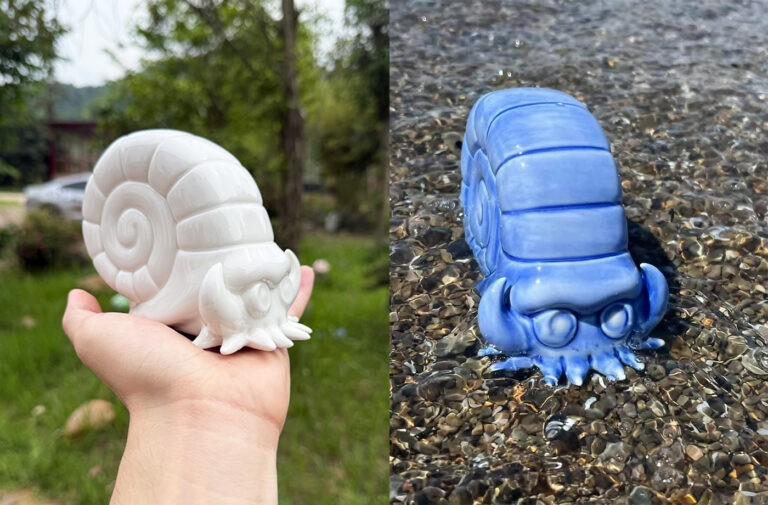
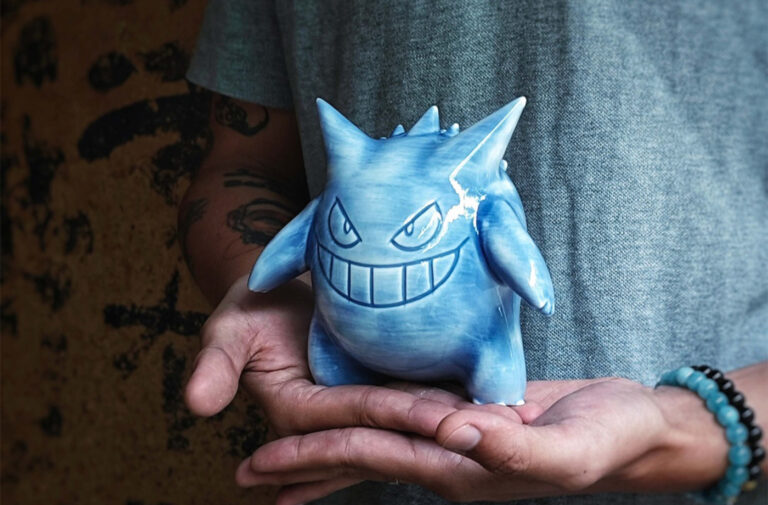
Blue-and-white porcelain is one of the most iconic forms of Chinese ceramics.
Recognized by its deep cobalt blue patterns on a white surface, it has been admired for centuries for its elegance and balance.
Yet behind its calm appearance lies a process shaped by precision, timing, and fire.
Where It Comes From
Originating in China, blue-and-white porcelain became especially refined in Jingdezhen, often called the “Porcelain Capital of the World.”
What made it unique was the use of cobalt pigment, which could withstand extremely high temperatures without losing its color—resulting in that signature deep blue.
How It’s Made
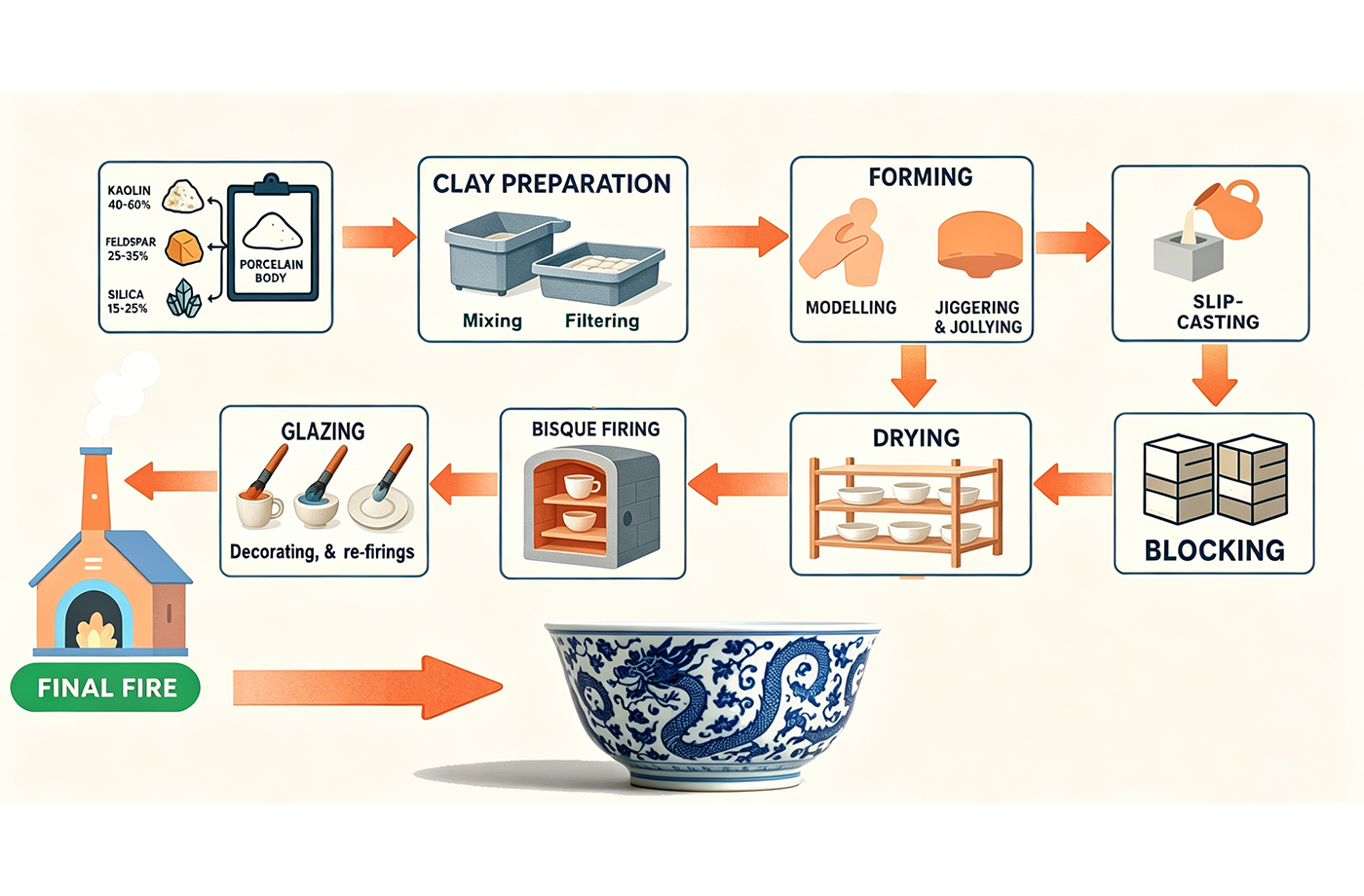
The making of blue-and-white porcelain follows a multi-step process:
- Shaping the form
- Drying and refining
- Bisque firing (first firing 800°C-900°C)
- Applying cobalt pigment
- Glazing
- Final firing(1300°C)
Each step must be carefully controlled.
Even the smallest deviation in temperature, humidity, or timing can affect the final result. defining the final piece.
A Craft of Many Hands|“过手七十二”
In traditional Chinese craftsmanship, there is a saying:
“Seventy-two steps are required to complete a single piece.”
This doesn’t refer to an exact number,
but to the idea that porcelain making is a long, layered process involving many stages and decisions.
It is this complexity that makes each finished piece truly one of a kind.
The Most Important Step: Applying the Cobalt|青花料
Before the glaze is applied, the artist paints directly onto the raw surface using cobalt pigment.
This step is irreversible.
Every line, every shade, every variation in pressure becomes part of the final design.
Once fired, it cannot be corrected.
This is where detail is born.
The richness of the blue, the depth of the pattern, and the subtle gradients all come from this moment—
not from printing, but from the artist’s control.
Final Fire|终烧:火的淬炼
The final firing is where transformation happens.
At high temperatures, the glaze melts and forms a smooth, dense, glass-like surface.
At the same time, the cobalt pigment undergoes a chemical reaction—
developing into a stable, vivid blue that merges seamlessly with the white glaze.
The result is a surface that is:
- Hard and durable
- Waterproof
- Resistant to fading over time
This is what gives blue-and-white porcelain its lasting beauty.
Why It Feels Different|与众不同
Unlike printed or mass-produced ceramics,
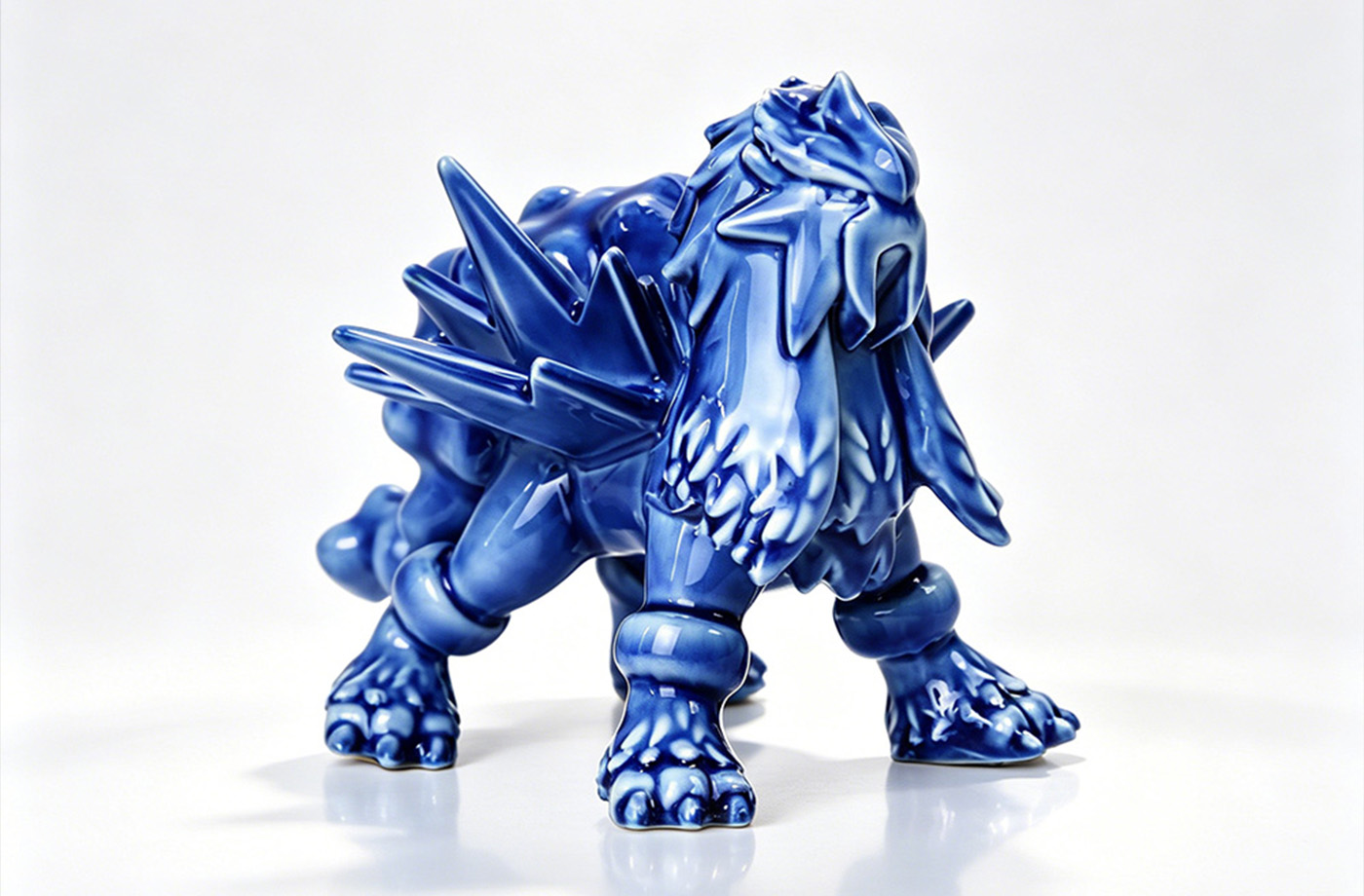
hand-applied cobalt creates natural variation.
Lines shift slightly.
Tones deepen and fade.
The surface carries a sense of movement.
This is not imperfection—
it is character.
How We Continue the Tradition|我们的延续方式
We follow this traditional process—
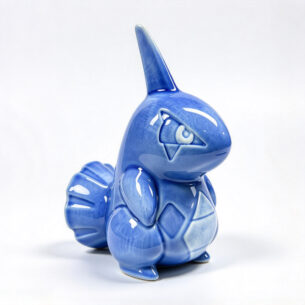
from shaping to cobalt application, glazing, and final firing.
But we apply it to forms that feel contemporary, expressive, and alive.
Because each piece is shaped and painted by hand,
no two are ever exactly the same.
Closing|结语
Blue-and-white porcelain is more than a visual style.
It is a process shaped by patience, precision, and fire—
where every step matters,
and every detail is decided by hand.